Meetings
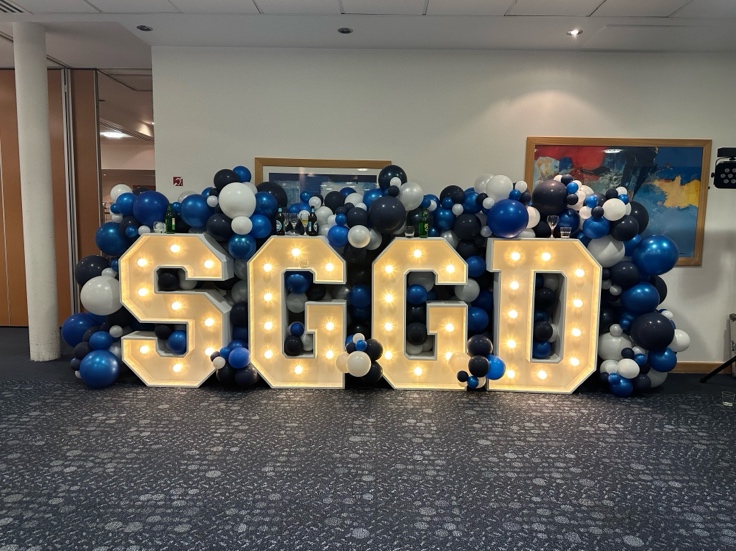
The Study Group on the Genetics of Diabetes (SGGD) organizes biannual scientific meetings that serve as a key platform for advancing discovery, collaboration, and training in the field of diabetes genetics.
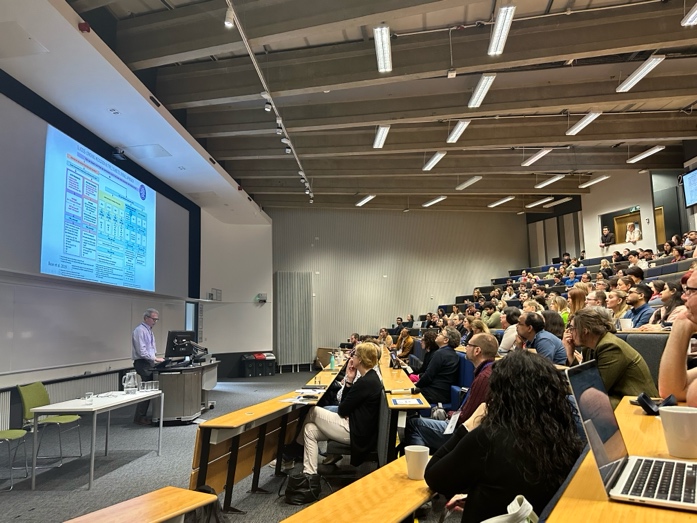
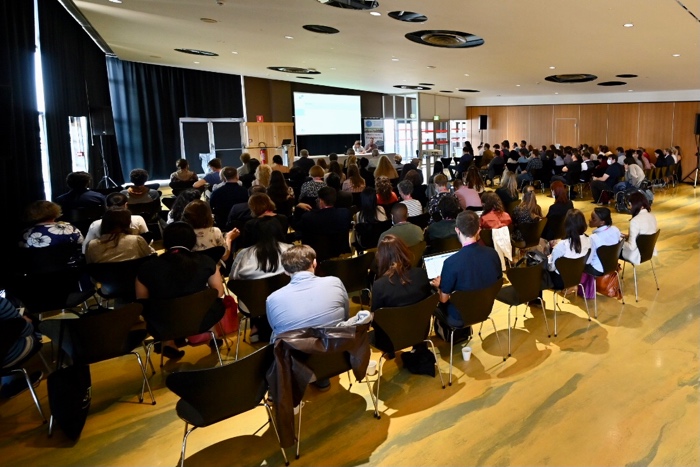
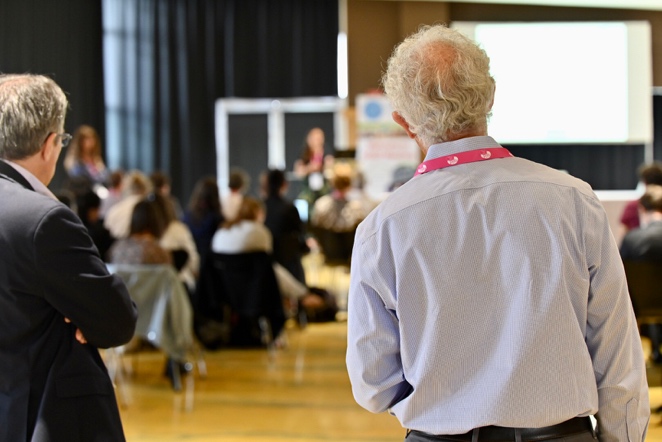
From its first meeting in Málaga (2007) to the most recent in Exeter (2024), SGGD meetings have been recognized for their collaborative spirit, scientific excellence, and community-building ethos. They bring together experts across disciplines, including genetics, endocrinology, epidemiology, and functional genomics, to collectively shape the future of diabetes research.
Each meeting features:
- Keynote lectures by world leaders in genomics, metabolism, and precision medicine
- Invited scientific talks covering cutting-edge findings across type 1, type 2, and monogenic diabetes
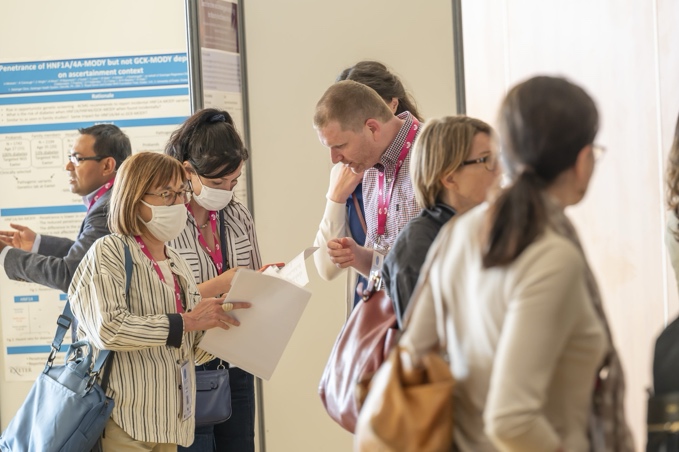
- Oral and poster abstract presentations, with a strong emphasis on early-career researchers
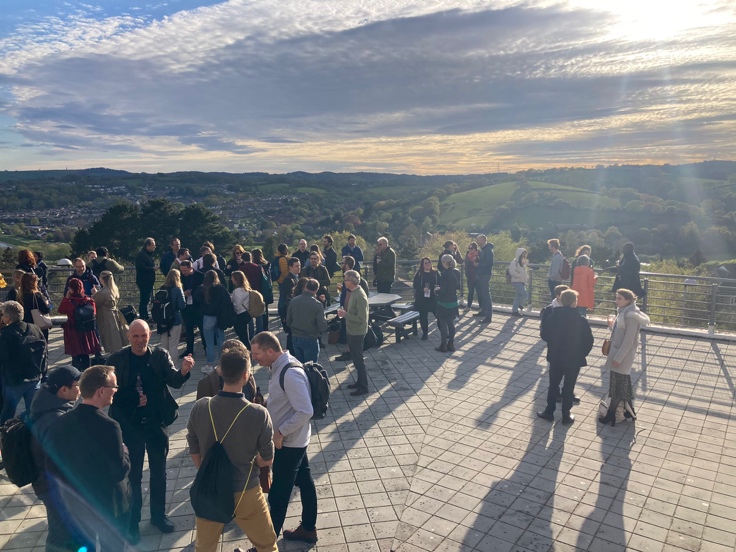
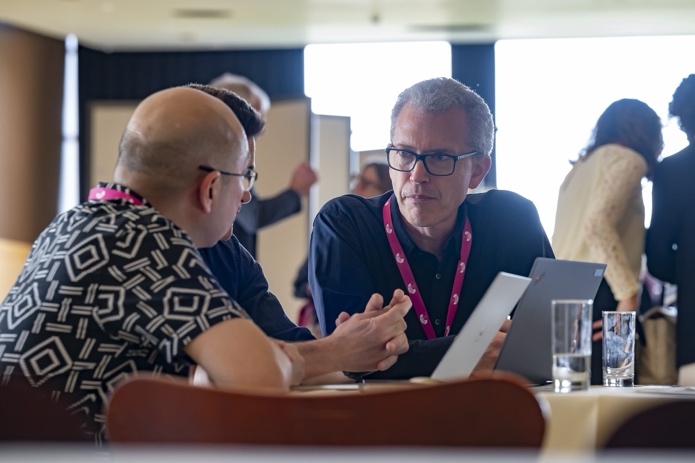
- Networking opportunities including clinical case discussions and social events
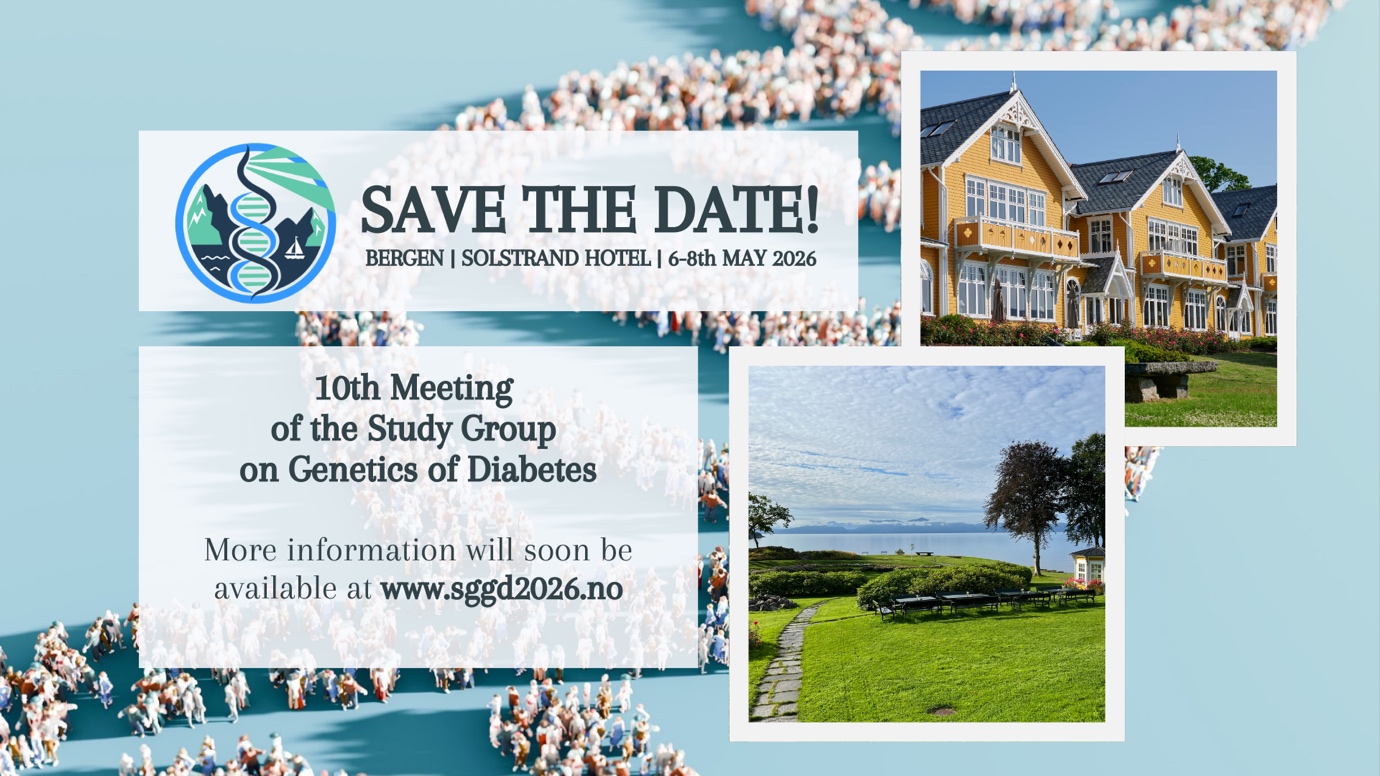
Coming Soon: SGGD 2026 – Bergen, Norway
We are pleased to announce that the 10th SGGD Meeting will be held from 6–8 May 2026 at the historic Solstrand Hotel near Bergen. This landmark event will celebrate nearly two decades of scientific progress and community, set against the breathtaking backdrop of the Norwegian fjords.
Save the date! More details will be available soon at www.sggd2026.no.
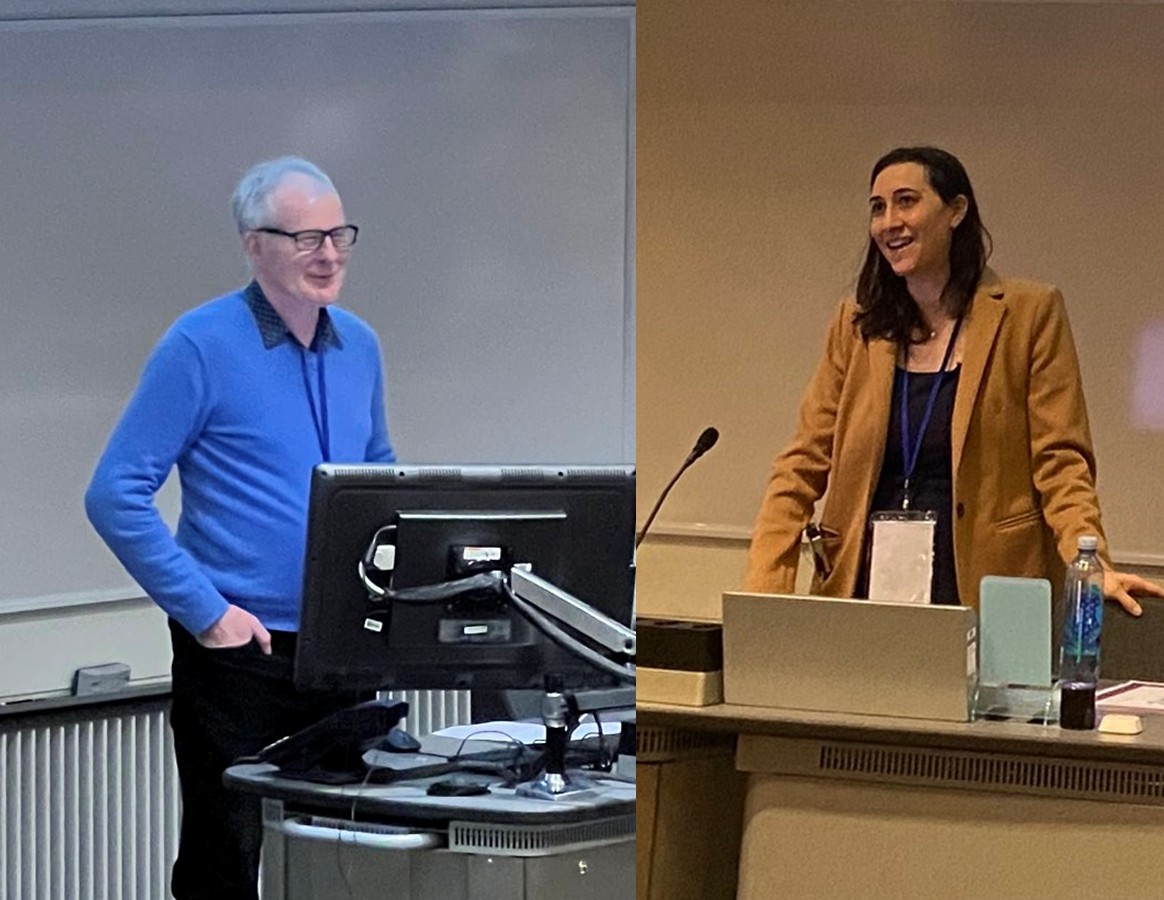
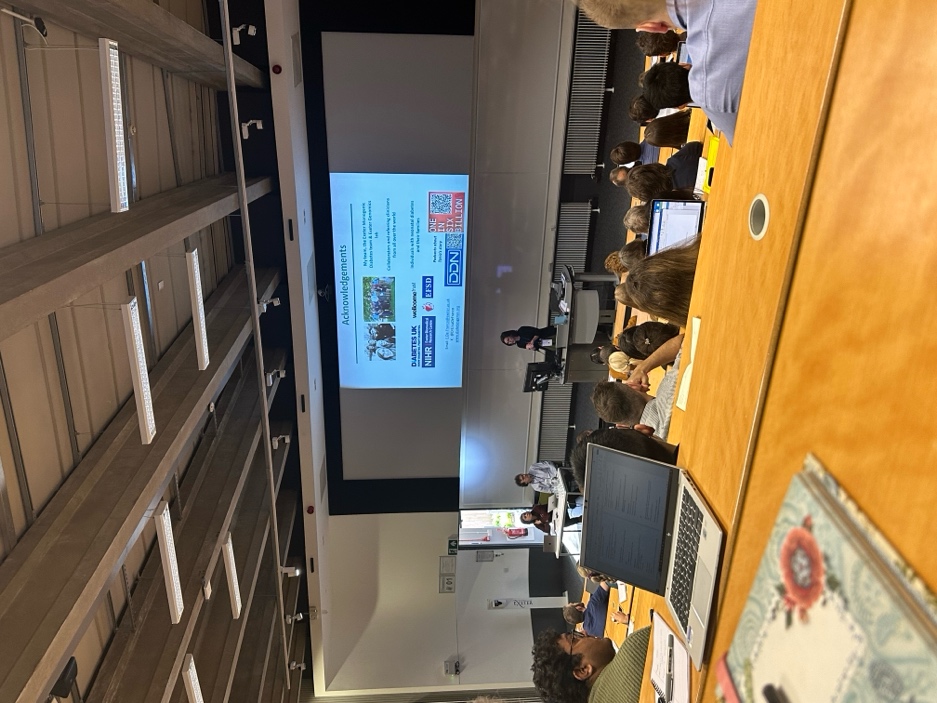
2024 – Exeter, UK
Scientific Highlights:
- A keynote by Evan Eichler showcased complete human genomes and structural variation.
- Genetics across ancestries: Talks by Richard Oram, Segun Fatumo, and George Davey Smith opened the meeting with insights on polygenic prediction and causal inference using MR.
- Monogenic diabetes discovery: Sessions included talks by Elisa De Franco and Miriam Cnop on neonatal diabetes and mechanistic validation.
- From variant to function: Talks by Ele Zeggini, Melina Claussnitzer, and Timo Otonkoski on translating genetic signals using polygenic scores and stem cell models.
- Translating genetics to the clinic: Talks by Ewan Pearson, Miriam Udler, and Amélie Bonnefond on applying precision medicine and rare variant insights to diabetes care.

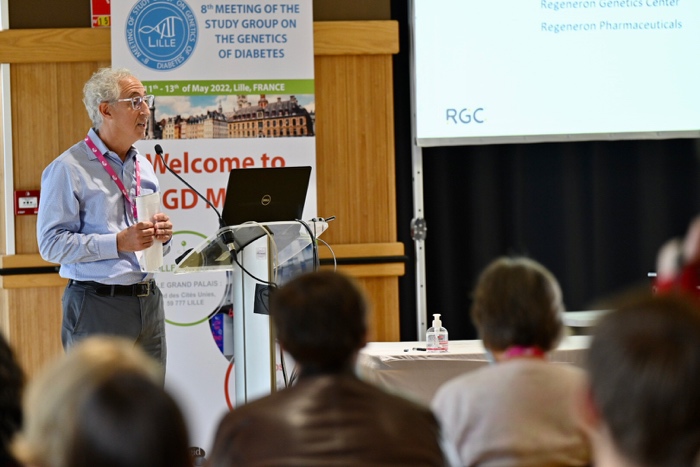
2022 – Lille, France
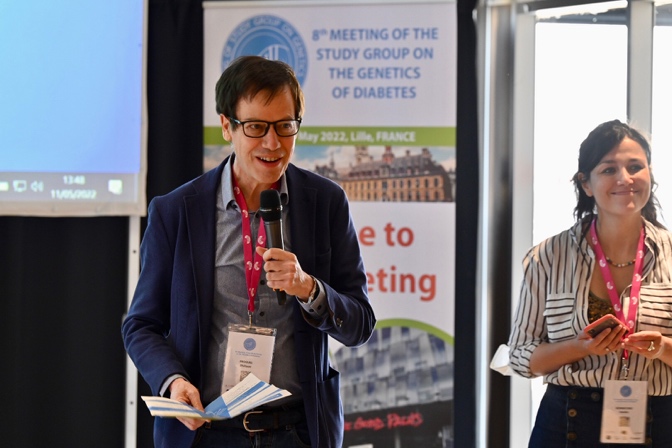
Scientific Highlights:
- Keynote by Alan Shuldine, where he shared insights from decades of work at the intersection of genetics, drug development, and personalized care.
- Diabetes stratification: Décio Eizirik, Inga Prokopenko, and Paul Franks opened the meeting with insights on disease mechanisms and machine learning-based stratification.
- Genetic architecture: Inês Barroso, Philippe Froguel, and Jose Florez discussed the contributions of rare vs. common variants in diabetes and obesity risk.
- Monogenic vs. polygenic diabetes: Talks by Richard Oram, Tiinamaija Tuomi, and Katharine Owen examined genetic diagnosis across T1D, T2D, LADA, and MODY.
- Mendelian randomization: John Perry, Michael Holmes, and Jessica Tyrrell showed how genetic tools reveal causal links in metabolic disease.
- Single-cell omics & tissue profiling: Lorenzo Pasquali, Nicole Soranzo, and Giles Yeo presented multi-omic landscapes of metabolic tissues.
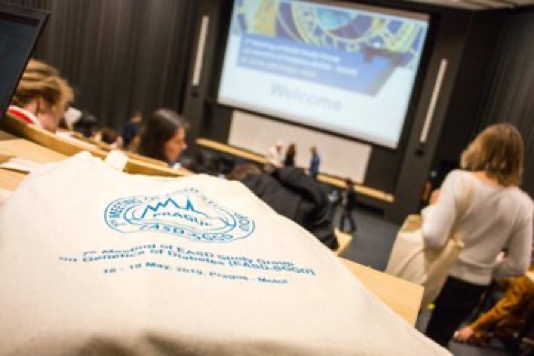
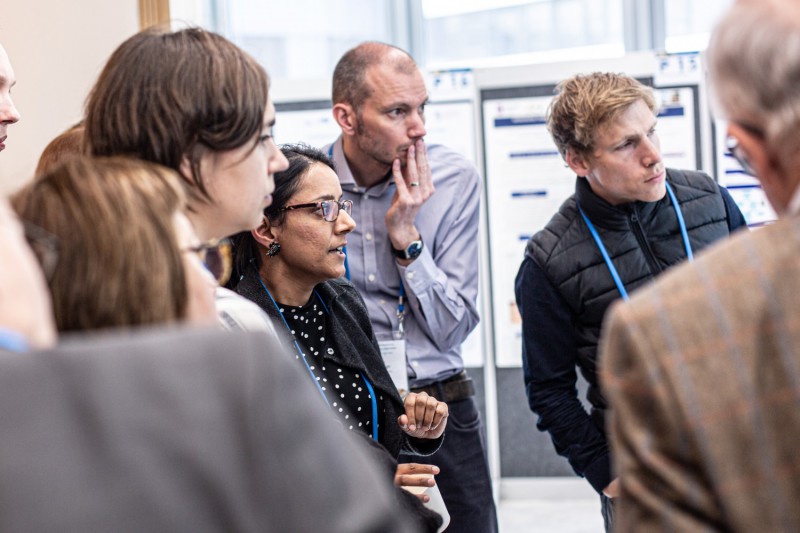
2019 – Prague, Czech Republic
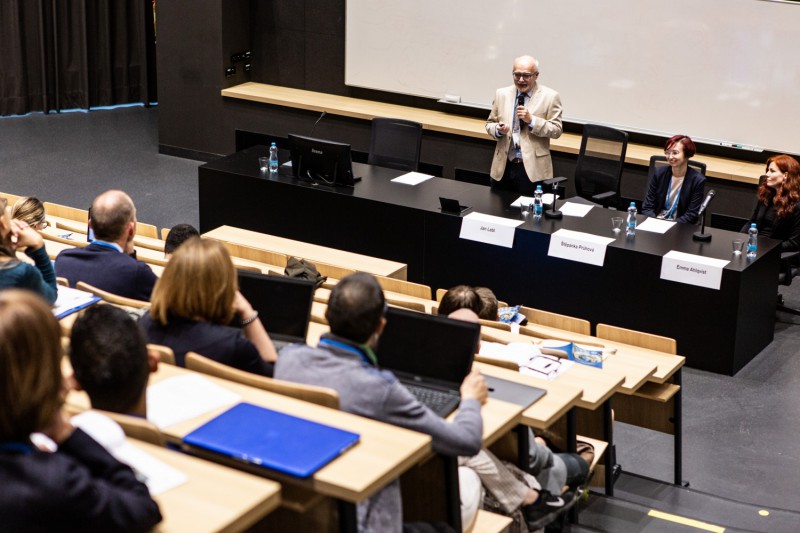
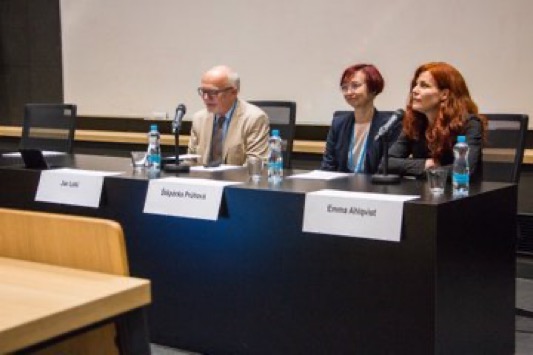
Scientific Highlights:
- Monogenic & precision diabetes: Talks by Andrew Hattersley, Amélie Bonnefond, Lise Gundersen, and Matthew Johnson highlighted novel gene discoveries and their application in clinical classification, including autoimmune forms and MODY.
- T2D subtypes & pharmacogenomics: Emma Ahlqvist presented on clustering subgroups of diabetes, and Ewan Pearson discussed how genetic variation influences therapeutic response.
- Multi-omics & systems approaches: Roderick Slieker, Torben Hansen, and Oluf Pedersen showcased how integrating genomics, epigenomics, and metagenomics is uncovering new mechanisms in metabolism.
- Beta-cell dysfunction & complications: Flemming Pociot and Per-Henrik Groop discussed genetic risk factors driving beta-cell failure and diabetic kidney disease.
- Microbiome & T1D Risk: Ondřej Cinek and others addressed how early-life microbiota alterations may influence autoimmune diabetes onset.

2017 – Leiden, Netherlands
Scientific Highlights:
- Leif Groop asked whether "common diabetes" truly exists in light of genomic complexity.
- Pål Njølstad, Ewan Pearson and Andrew Hattersley outlined current challenges in diagnosing and managing monogenic diabetes in the clinic.
- Giel Nijpels and K Dolsma provided perspectives on implementation in healthcare and early detection programs.
- Anna Gloyn and Jorge Ferrer highlighted functional dissection of beta-cell dysfunction and the noncoding genome.
- Talks from Charlotte Ling, Oluf Pedersen, and others explored how environmental and epigenetic factors contribute to metabolic dysfunction.
- Sadaf Farooqi on the genetics of severe obesity and lessons from rare syndromes.
- Mark McCarthy delivering a powerful synthesis tracing the field from GWAS to clinical application and future challenges.
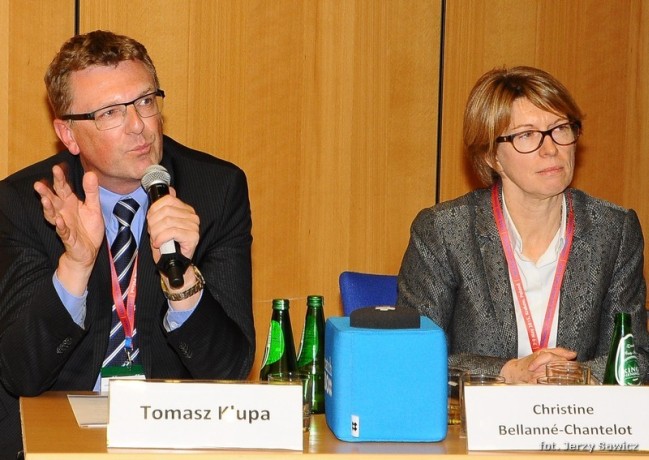
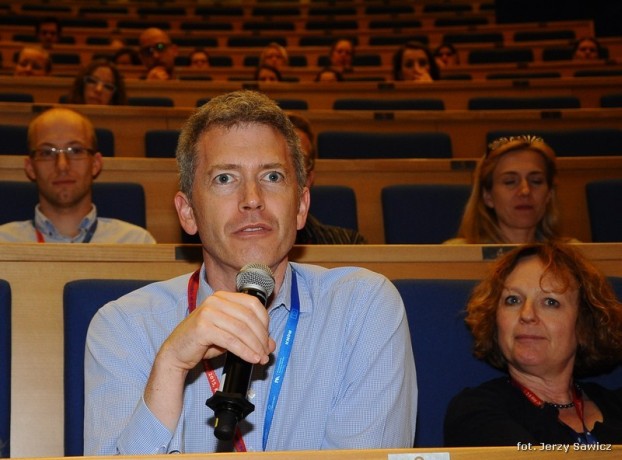
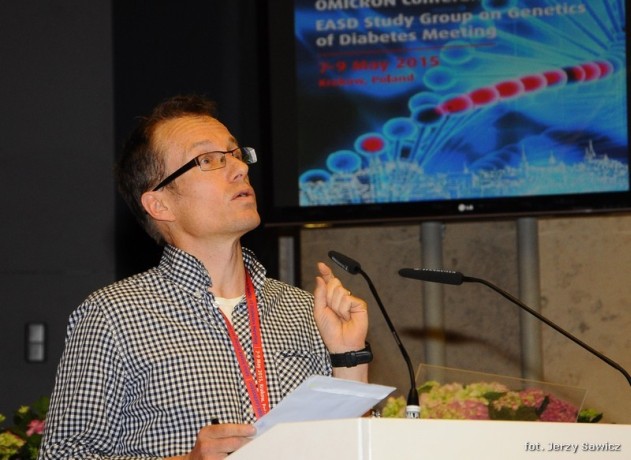
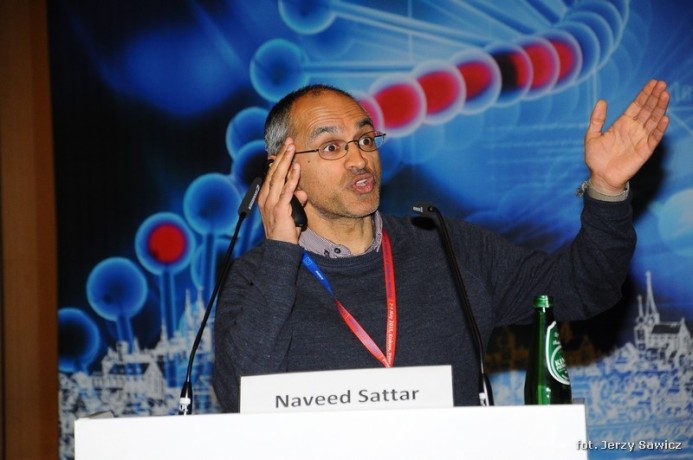
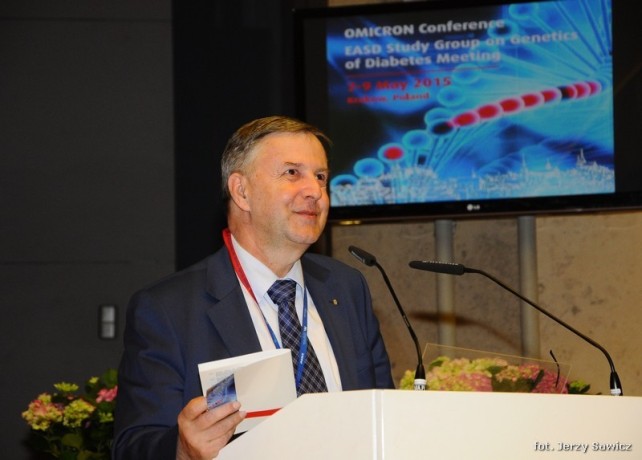
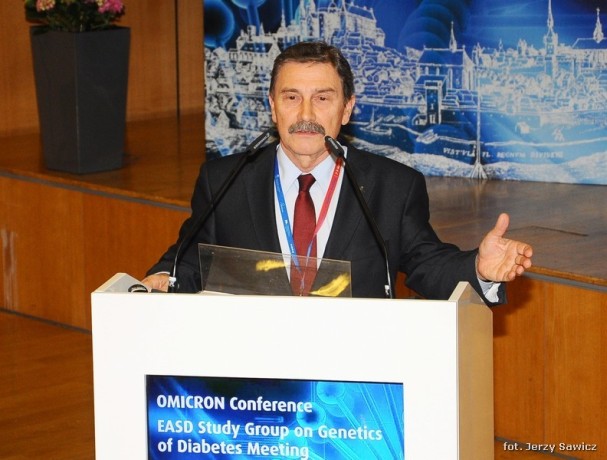
2015 – Krakow, Poland
Scientific Highlights:
- 3 keynote speakers, Andrew Hattersley: "Gene discovery: the beginning, not the end", Stephen O’Rahilly: "Genetics and metabolism of human severe insulin resistance", and Nancy Cox: "New aspects of genetic architecture in diabetes and its complications".
- Strong focus on next-generation sequencing (NGS) in monogenic diabetes and functional genomics.
- Clinical translation, biomarkers, and pharmacogenetics featured prominently.
- Several “Meet the Experts” clinical sessions supported young researchers and clinicians.
2013 – Malmö, Sweden
Themes: rare variant discovery, epigenetics, chronic complications